You are using an outdated browser. For a faster, safer browsing experience, upgrade for free today.

Experience the Miracle of Healing

"Is any among you sick? Let him call for the elders of the church, and let them pray over him, anointing him with oil in the name of the Lord; 15 and the prayer of faith will save the sick man, and the Lord will raise him up; and if he has committed sins, he will be forgiven." (James 5:14-15)
"By the sacred anointing of the sick and the prayer of the priests the whole Church commends those who are ill to the suffering and glorified Lord, that he may raise them up and save them. and indeed she exhorts them to contribute to the good of the People of God by freely uniting themselves to the Passion and death of Christ." (Catechism of the Catholic Church, 1499)
Anointing of the Sick

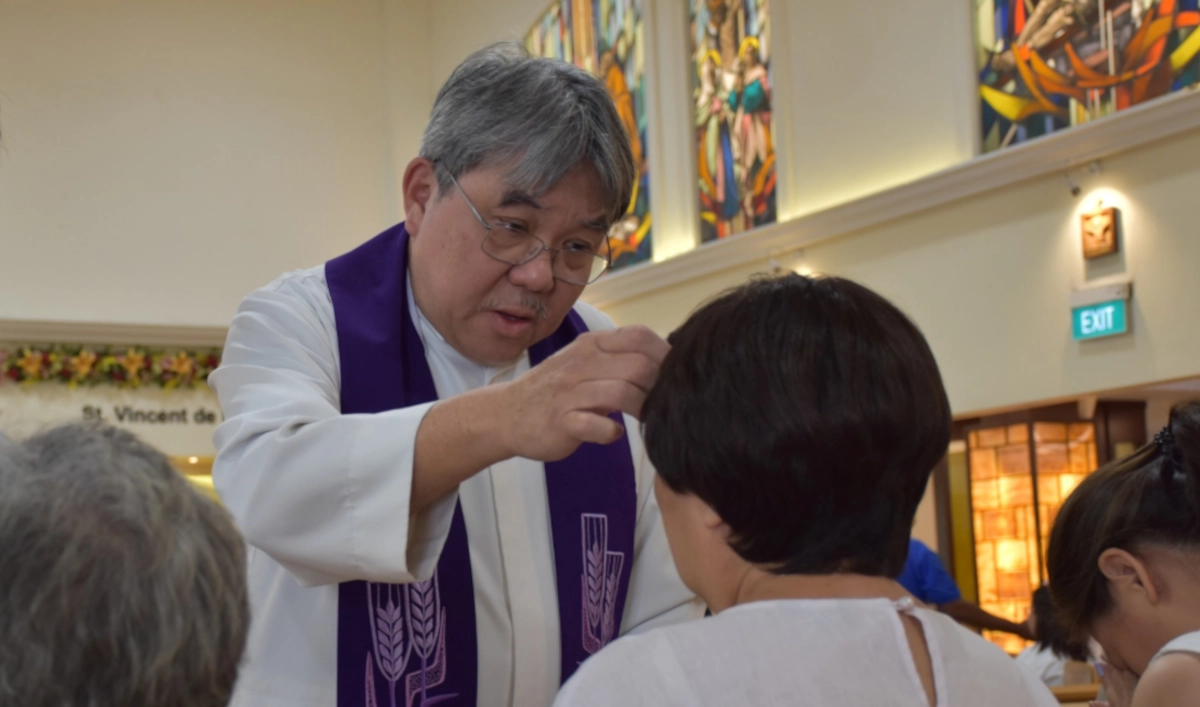
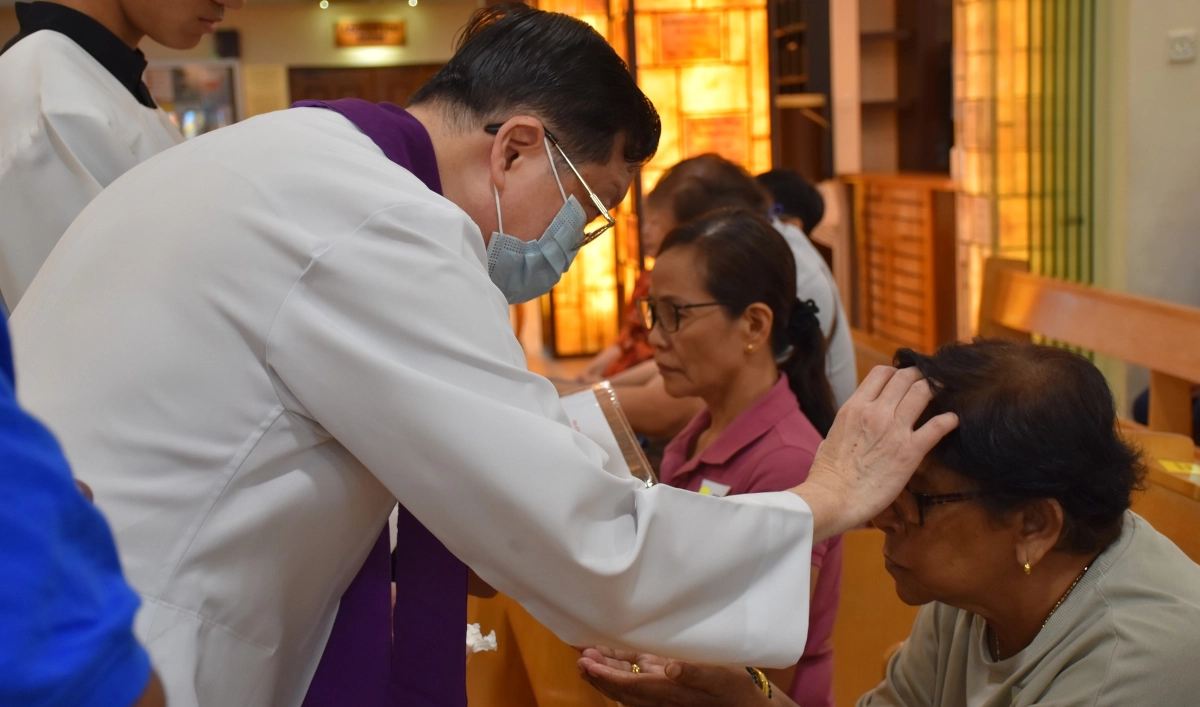
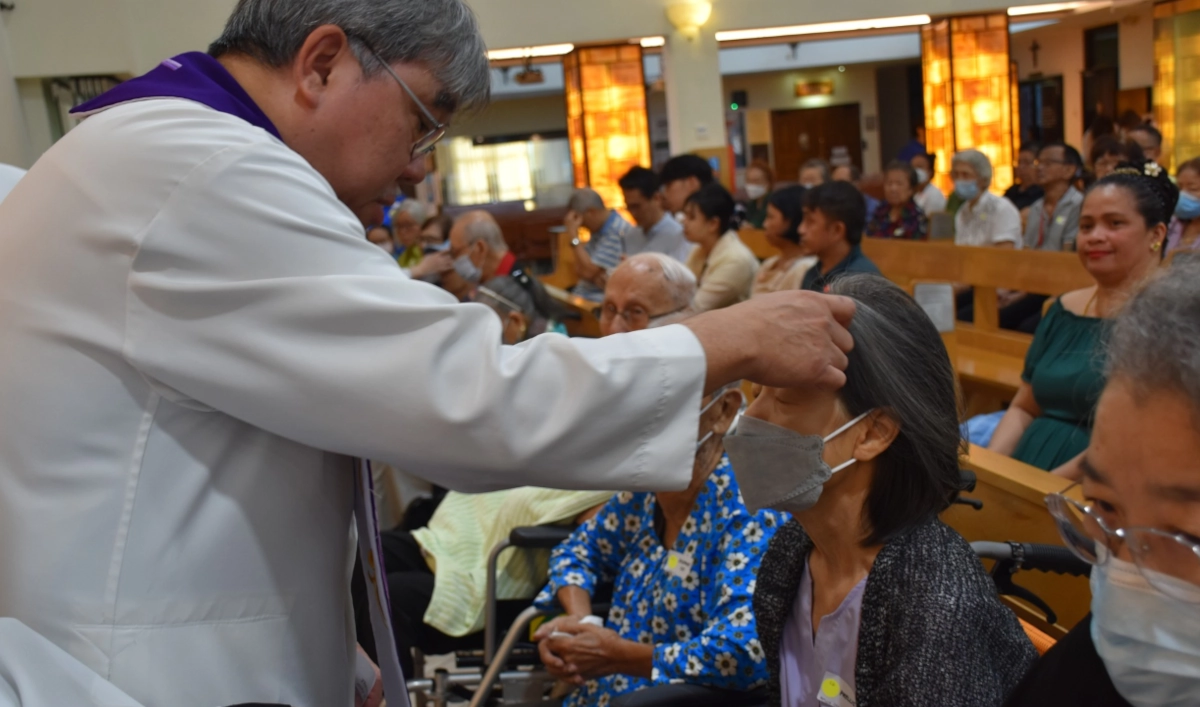
Experience comfort, peace, courage... The most prevalent miracles performed by Jesus in His lifetime may well be the healing and purifying of the sick, with His divine grace saving and restoring them, even in death. In the sacrament of Anointing of the Sick, it is this same grace that imparts physical healing to the suffering and also bestows the spiritual gifts of comfort, courage and faith.

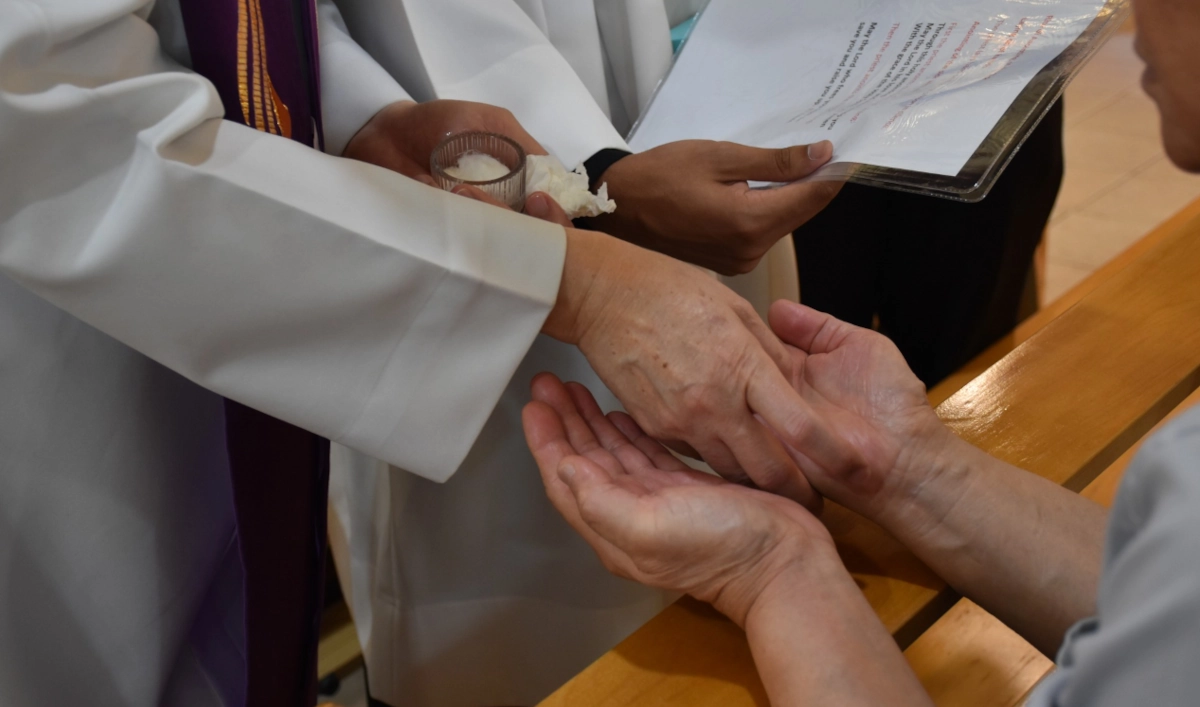
The Oil of the Sick - pure oil which had been blessed by the Archbishop at Chrism Mass on Maundy Thursday - is used for anointing the recipient of the sacrament on the hands and forehead, as the priest says: Through this holy anointing, may the Lord in his love and mercy help you with the grace of the Holy Spirit. May the Lord who frees you from sin save you and raise you up.

Reconciliation with God... Anointing of the Sick is often administered in conjunction with the Sacrament of Reconciliation since Penance (Confession) is the sacrament by which God intends our mortal sins to be forgiven and, if the recipient is near death, Viaticum (Holy Communion), as spiritual food for the journey to eternal life, may also be administered.

Request Anointing

No, the anointing is for Catholics who are severely ill. They do not have to be dying, but their condition should be supposed serious. “The anointing of the sick is not a sacrament for those only who are at the point of death. Hence, as soon as anyone of the faithful begins to be in danger of death from sickness or old age, the fitting time for him to receive this sacrament has certainly already arrived” (Catechism of the Catholic Church 1514).

"If a sick person who received this anointing recovers his health, he can in the case of another grave illness receive this sacrament again. If during the same illness the person’s condition becomes more serious, the sacrament may be repeated. It is fitting to receive the Anointing of the Sick just prior to a serious operation. The same holds for the elderly whose frailty becomes more pronounced." (Catechism of the Catholic Church 1515).

This sacrament can be repeated if the sick person, having recovered, again becomes gravely ill or if the condition becomes more grave during the same illness (Code of Canon Law 1004 §2).

“The special grace of the sacrament of the Anointing of the Sick has as its effects: the uniting of the sick person to the passion of Christ, for his own good and that of the whole Church; the strengthening, peace, and courage to endure in a Christian manner the sufferings of illness or old age; the forgiveness of sins, if the sick person was not able to obtain it through the sacrament of penance; the restoration of health, if it is conducive to the salvation of his soul; the preparation for passing over to eternal life” (Catechism of the Catholic Church 1532).