"Then the Lord God said, ‘It is not good that the man should be alone; I will make him a helper as his partner.’” (Genesis 2:18)

The call for married people to love their spouses in a way that mirrors God’s unconditional love is not easy. Like any call to holiness and sainthood, it is a narrow path that sanctifies us, and pushes us to grow in heroic virtue. But the best part about this Sacrament of service, is that we aren’t alone in this journey. Just like Saints Louis Martin and Zelie Guerin who were canonized together, married couples have each other to encourage and support, to finally reach the finish line and to see Jesus face-to-face.
Throughout human history, in every civilization, lifelong partnerships between man and woman exist in some form or the other. But the Word of God reminds us that marriage is not just a mere human institution, but has its origins in God’s plan for creation. It is ordered towards the good of the spouses, procreation and the education of offspring.
“I have loved you with an everlasting love; therefore I have continued my faithfulness to you” (Jeremiah 31:3)
God’s love for his chosen people, Israel (and later his Church) is constantly likened in the Sacred Scripture to the love of a bridegroom for his bride, and Jesus Christ himself often referred to the coming of the New Jerusalem as the Wedding Banquet of the Lamb. It is through the lens of God’s love for us, we understand what is unconditional love, and how a true marriage is meant to be lived: freely, faithfully, fruitfully, and totally. “So they are no longer two, but one flesh. Therefore what God joined together, let no one separate.” (Matthew 19:6)
When two baptised Christians come together in holy matrimony, their marriage will always be considered a Sacrament: this means that their union is a real sign that points and expresses to the world the unconditional love of Christ to his people. In today’s secularised world where marriage is seen as a mere contract, Christian marriages offer a sign of hope, that lasting marriages and true love is possible when God is present. “Finally all of you, have unity of spirit, empathy, love for one another, a tender heart, and a humble mind” (1 Peter 3:8)
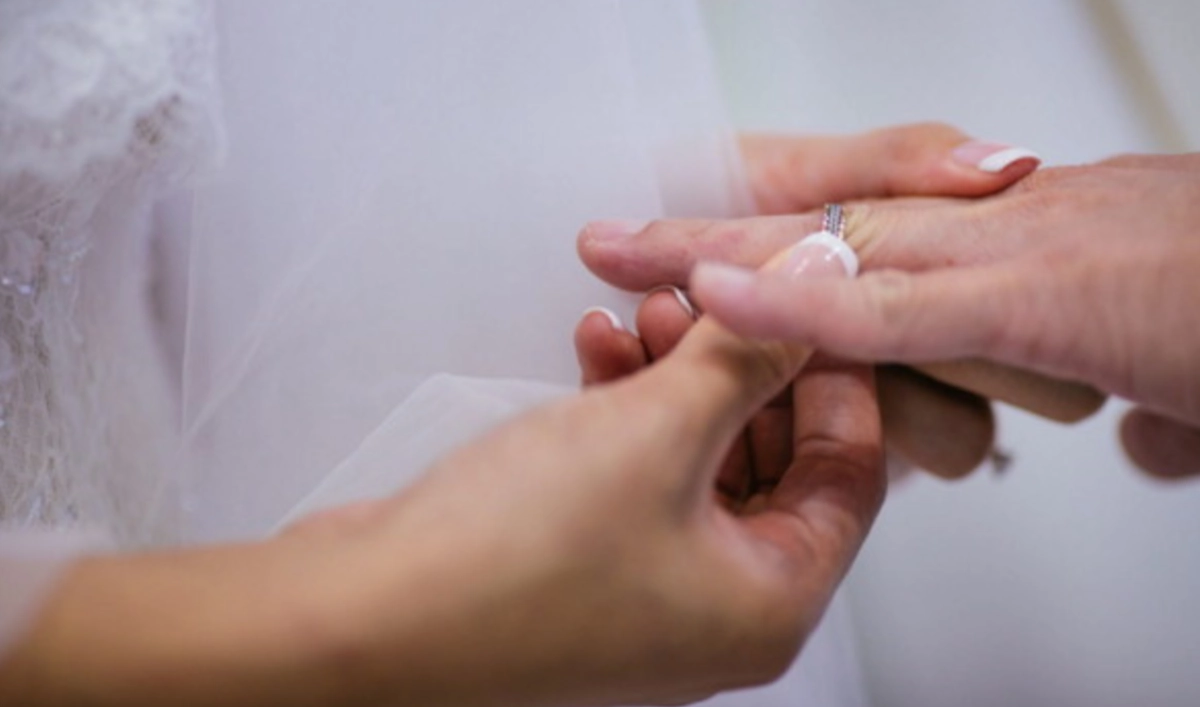
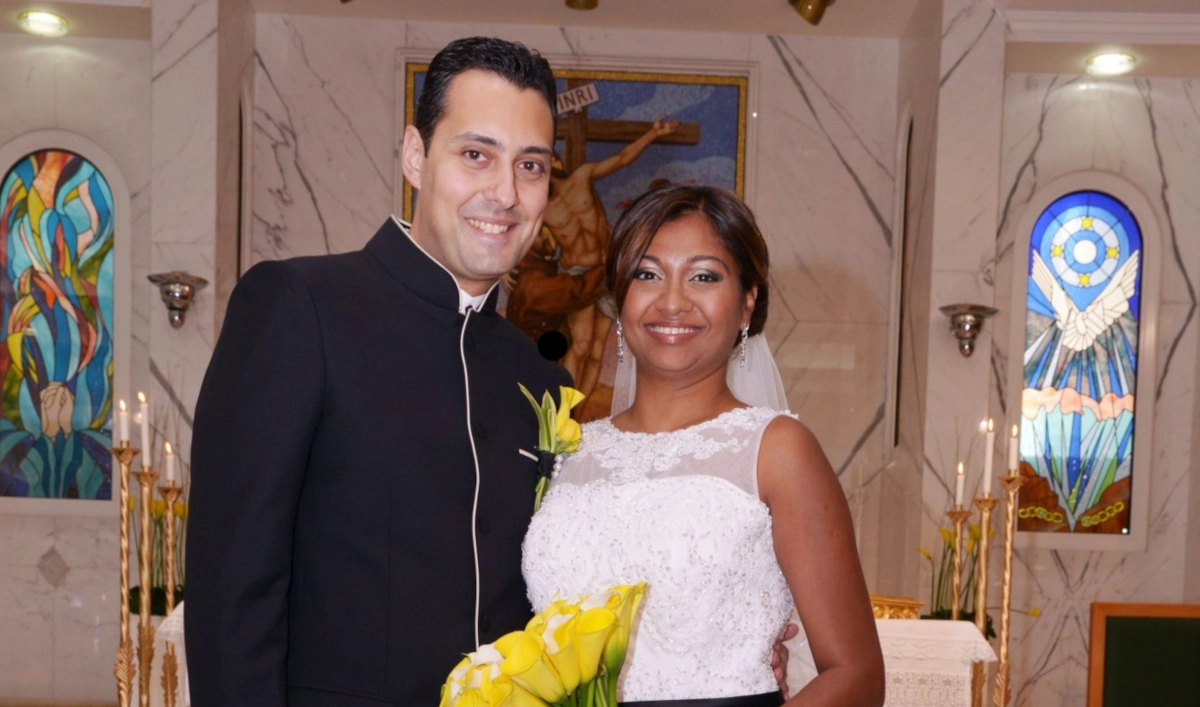
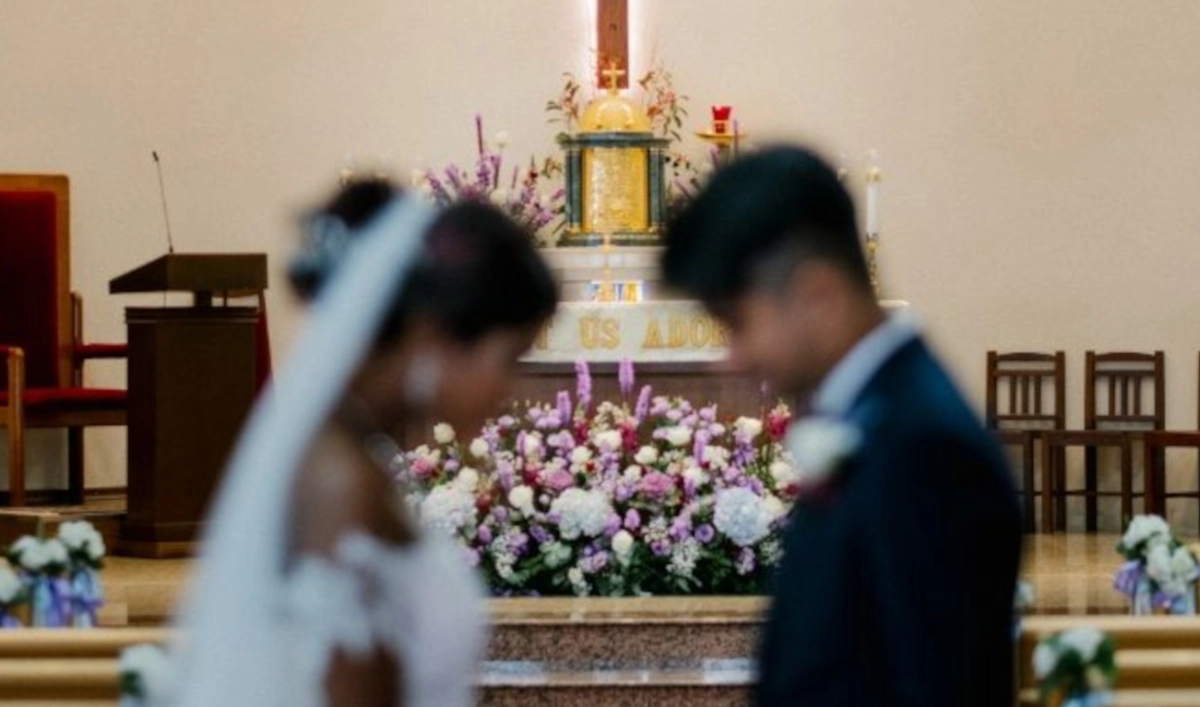
Scripture does not say that we must marry in a church. This is a matter of canon law, not divine law.
The reason the Church asks Catholics to marry in a church is to remind us that marriage is a sacrament. Marriage is not a mere contractual agreement between two parties, it is a living embodiment of Christ’s relationship to his Church.
All other sacraments normally take place in a church (baptism, confession, Eucharist, confirmation, ordination) unless there is a legitimate reason for the sacrament to take place elsewhere (e.g., anointing of the sick or baptism in a hospital). Sacred acts should normally take place in sacred places.
The Church could permit marriage to take place anywhere and in front of almost anyone. The essence of marriage is the exchange of consent between the spouses. However, in a world that tells us that we can create marriage in any form we desire, the Church wishes to reinforce our faith that marriage is indeed of divine institution.
A marriage between Catholics or between a Catholic party and a non-Catholic baptized party is to be celebrated in a parish church.
It can be celebrated in another church or oratory with the permission of the local ordinary or pastor. The local ordinary can permit a marriage to be celebrated in another suitable place.
A marriage between a Catholic party and a non-baptized party can be celebrated in a church or in another suitable place. (Code of Canon Law, 1118 §1-3)
Outside the case of necessity, the rites prescribed in the liturgical books approved by the Church or received by legitimate customs are to be observed in the celebration of a marriage. (Code of Canon Law, 1119)
In a Catholic marriage service, the priest acts as the official witness of the Church, ensuring the ceremony follows liturgical tradition.
While the couple themselves are the ministers of the sacrament of matrimony, the priest facilitates the ceremony, blesses the union, and leads the prayers.
Witness and Receiver of Consent: The priest receives the consent (vows) of the bride and groom in the name of the Church.
Officiant of the Liturgy: He conducts the ceremony, which often takes place within a Mass, and guides the couple through the "Questions before the Consent," the exchange of vows, and the blessing of the rings.
Bestower of the Nuptial Blessing: The priest imparts a special solemn blessing upon the newly married couple.
Proclaimer of the Word and Homilist: He leads the Liturgy of the Word, typically preaching a homily that reflects on the sacred nature of Christian marriage.
Mediator and Minister of Sacraments: He acts as a mediator, appealing to God for the support of the new marriage and, if a Mass is held, consecrates the Eucharist.
Legal Official: He ensures the marriage license is properly signed and witnessed.
Catholics should have their Birth Certificates & Baptism Certificates, and attend the respective preparation courses:
Catholic Engaged Encounter: A weekend marriage preparation programme organised by the Catholic Church.
Marriage Preparation Course: A 6 half-day weekend sessions to help you grow closer and prepare for a faith-filled marriage. In building a strong foundation for a lifetime of love,
learn practical tools for married life, deeper communication and connection, and faith-based guidance rooted in Catholic values.
While a Catholic is expected to marry another Catholic, the Church permits marriage with a non-Catholic, provided a dispensation is obtained from the local bishop.
Dispensation Needed: If your partner is a non-baptized person, you need a dispensation from "disparity of worship". If they are a baptised non-Catholic, you need permission for a "mixed marriage".
Promise to Raise Children: As the Catholic party, you are required to promise that you will do your best to raise your children in the Catholic faith.
No Forced Conversion: Your partner is not required to convert to Catholicism.
Wedding Ceremony: A Catholic and non-Catholic may have their marriage in a Catholic church. If it is with a non-baptised person, it is usually a ceremony outside of Mass.
Validity: Such marriages are recognized as valid and, if both parties are baptised, they are considered sacramental.