"All have sinned and fall short of the glory of God, they are justified by his grace as a gift, through the redemption which is in Christ Jesus, whom God put forward as an expiation by his blood, to be received by faith." (Romans 3:23-24)

In the Sacrament of Baptism, we die with Christ to our old sinful ways, and rise again with him as a new creation, holy and without blemish. However, God allows our human frailty and disposition towards sin to remain, so that we may exercise our freedom, cooperate with God’s grace, and struggle in virtue towards holiness. The readily available sacrament of reconciliation allows Christians to receive the forgiveness and mercy of Christ, each time we fall, and the grace to grow in purity. “’For this son of mine was dead and is alive again; he was lost and is found!’ And they began to celebrate.” (Luke 15:24)
Sin separates man from God, the source of life and goodness. Cut off and distanced from our Heavenly Father, by the effects of sin, we suffer spiritual death. It is for this reason, reconciliation is understood as a Sacrament of Healing. The overflowing mercy of Christ, who always responds to our cry for forgiveness, reconciles us with the love of God. We are spiritually resurrected and restored. This healing is never merely personal, but always a victory for the whole church, as the suffering of one is felt by the whole body of Christ. “Happy are those whose transgressions are forgiven whose sin is covered Happy are those to whom the Lord imputes no iniquity and in whose spirit there is no deceit” (Psalm 32:1–2)
As a Church we are at the same time holy, but constantly in need of purification. Regularly conducting an examination of conscience, and seeking the sacrament of reconciliation keeps us always on this path of penance and renewal. By making a habit of attending confessions, we stop seeing it as a duty, but rather a proactive step to be vulnerable and free in Jesus’s love, to stand before him naked and humble, asking for his mercy for the times we failed to love. Jesus is gently knocking on the door of your heart and he stretches out his hand of mercy to you. Will you open your heart to him by receiving his forgiveness and love through the sacrament of reconciliation?
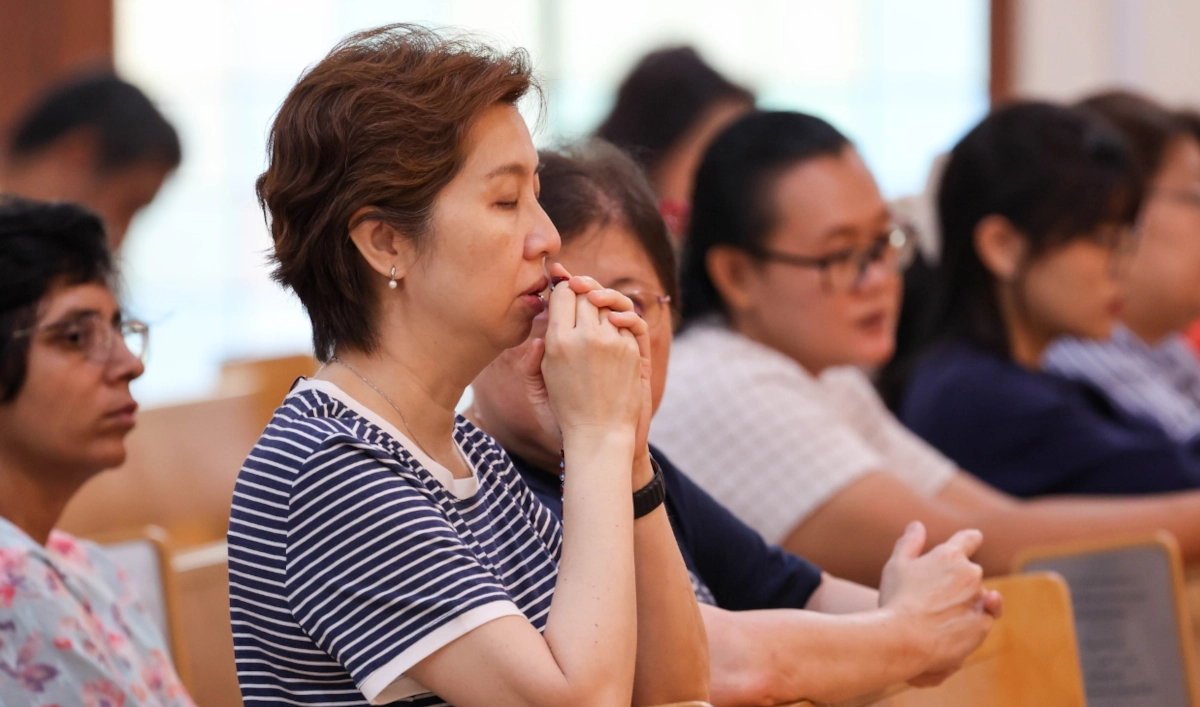
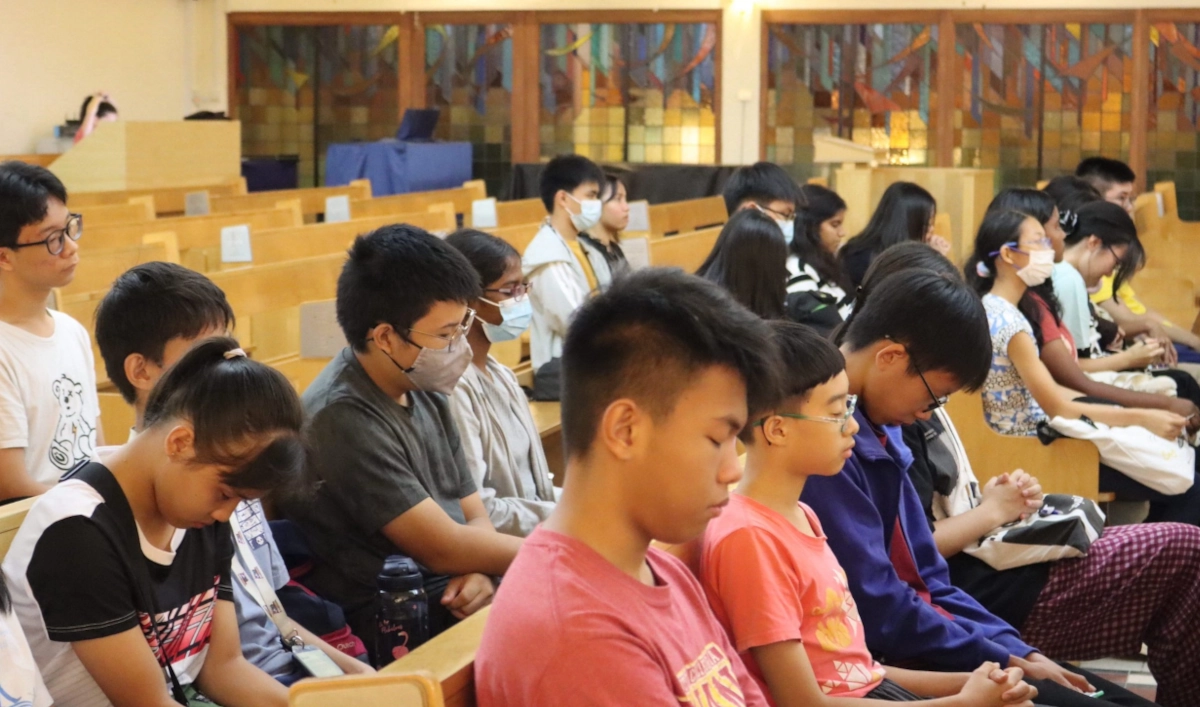
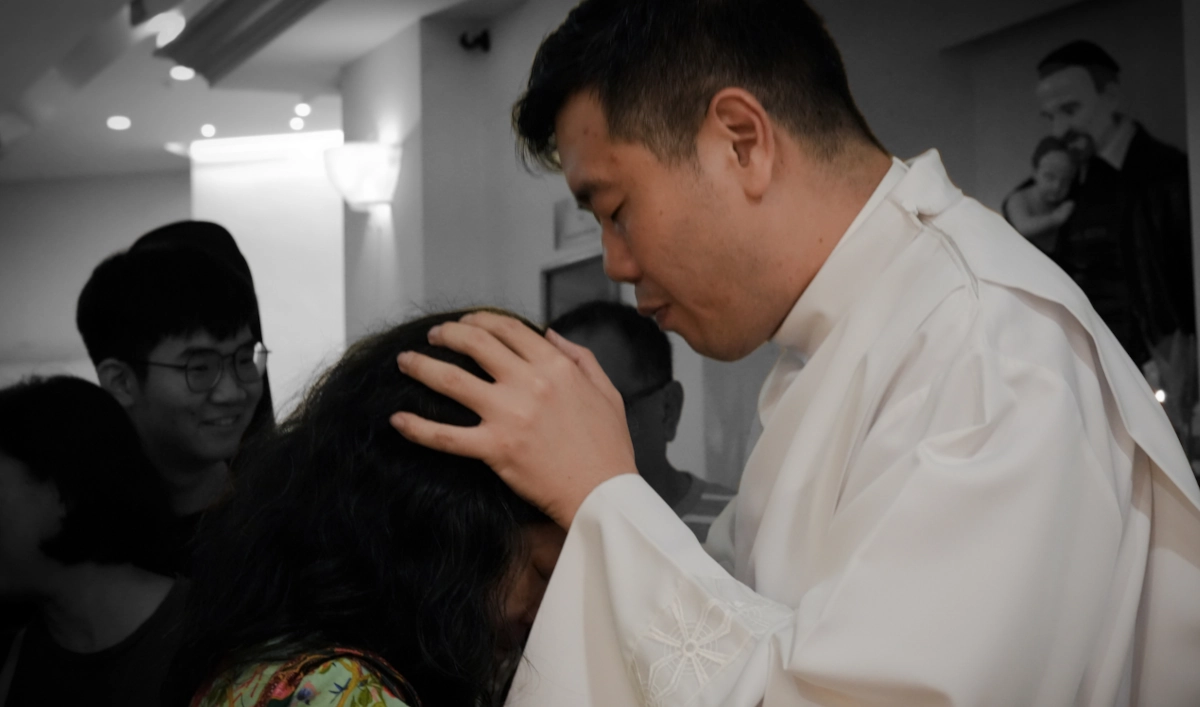
Confession to a priest is an essential part of the sacrament of Penance: "All mortal sins of which penitents after a diligent self-examination are conscious must be recounted by them in confession, even if they are most secret and have been committed against the last two precepts of the Decalogue; for these sins sometimes wound the soul more grievously and are more dangerous than those which are committed openly." (Catechism of the Catholic Church, 1456)
When Christ's faithful strive to confess all the sins that they can remember, they undoubtedly place all of them before the divine mercy for pardon. But those who fail to do so and knowingly withhold some, place nothing before the divine goodness for remission through the mediation of the priest, "for if the sick person is too ashamed to show his wound to the doctor, the medicine cannot heal what it does not know." (Catechism of the Catholic Church, 1456)
"Since then we have a great high priest who has passed through the heavens, Jesus, the Son of God, let us hold fast our confession."(Hebrews 4:14)
'Jesus said to them again, “Peace be with you. As the Father has sent me, even so I send you.” And when he had said this, he breathed on them, and said to them, “Receive the Holy Spirit. If you forgive the sins of any, they are forgiven; if you retain the sins of any, they are retained.”' (John 20:22-23)
Jesus, the Son of God, as our great high priest, conferred to His Apostles and their successors the authority to forgive sins. Priests ordained by bishops, are successors to the original apostles, creating an unbroken chain of authority back to Jesus Christ through Apostolic Succession.
According to the Church's command, "after having attained the age of discretion, each of the faithful is bound by an obligation faithfully to confess serious sins at least once a year." Anyone who is aware of having committed a mortal sin must not receive Holy Communion, even if he experiences deep contrition, without having first received sacramental absolution, unless he has a grave reason for receiving Communion and there is no possibility of going to confession. Children must go to the sacrament of Penance before receiving Holy Communion for the first time. (Catechism of the Catholic Church 1457).
“Serious sins” in the Catechism are to be understood as mortal sins. For a sin to be mortal, three conditions must together be met: "Mortal sin is sin whose object is grave matter and which is also committed with full knowledge and deliberate consent." (Catechism of the Catholic Church, 1857)
Penance is necessary to repair the damage and "disorders" caused by sin, even after guilt is forgiven. It acts as a spiritual medicine, helping sinners regain full spiritual health, foster conversion, and, in union with Christ, make satisfaction for sins.
Many sins wrong our neighbor. One must do what is possible in order to repair the harm (e.g., return stolen goods, restore the reputation of someone slandered, pay compensation for injuries). Simple justice requires as much. But sin also injures and weakens the sinner himself, as well as his relationships with God and neighbor. Absolution takes away sin, but it does not remedy all the disorders sin has caused. Raised up from sin, the sinner must still recover his full spiritual health by doing something more to make amends for the sin: he must "make satisfaction for" or "expiate" his sins. This satisfaction is also called "penance." (Catechism of the Catholic Church, 1459)
"The whole power of the sacrament of Penance consists in restoring us to God's grace and joining us with him in an intimate friendship." Reconciliation with God is thus the purpose and effect of this sacrament. For those who receive the sacrament of Penance with contrite heart and religious disposition, reconciliation "is usually followed by peace and serenity of conscience with strong spiritual consolation." Indeed the sacrament of Reconciliation with God brings about a true "spiritual resurrection," restoration of the dignity and blessings of the life of the children of God, of which the most precious is friendship with God. (Catechism of the Catholic Church, 1468)
This sacrament reconciles us with the Church. Sin damages or even breaks fraternal communion. the sacrament of Penance repairs or restores it. In this sense it does not simply heal the one restored to ecclesial communion, but has also a revitalizing effect on the life of the Church which suffered from the sin of one of her members. Re-established or strengthened in the communion of saints, the sinner is made stronger by the exchange of spiritual goods among all the living members of the Body of Christ, whether still on pilgrimage or already in the heavenly homeland:
It must be recalled that . . . this reconciliation with God leads, as it were, to other reconciliations, which repair the other breaches caused by sin. the forgiven penitent is reconciled with himself in his inmost being, where he regains his innermost truth. He is reconciled with his brethren whom he has in some way offended and wounded. He is reconciled with the Church. He is reconciled with all creation. (Catechism of the Catholic Church, 1469)
In this sacrament, the sinner, placing himself before the merciful judgment of God, anticipates in a certain way the judgment to which he will be subjected at the end of his earthly life. For it is now, in this life, that we are offered the choice between life and death, and it is only by the road of conversion that we can enter the Kingdom, from which one is excluded by grave sin. In converting to Christ through penance and faith, the sinner passes from death to life and "does not come into judgment." (Catechism of the Catholic Church 1470).